
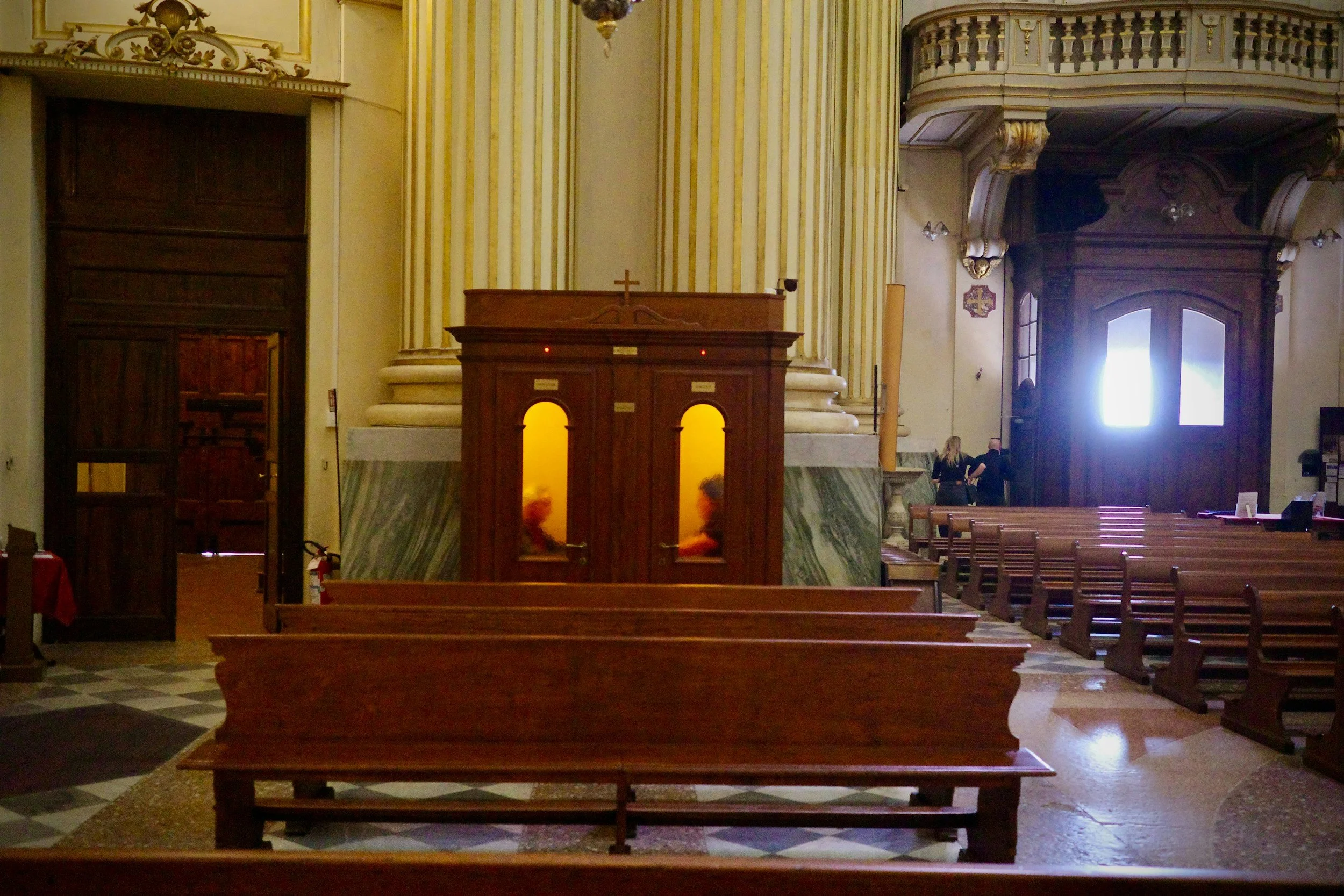
Reconciliation
THE SACRAMENT OF RECONCILIATION
Come Home to God's Mercy.
No matter how long it has been since your last Confession, God's mercy is waiting for you. In the Sacrament of Reconciliation, Christ forgives our sins, restores us to grace, and gives us the strength to begin again.
Forgiven and Made New
Forgiven and Made New
Sin damages our relationship with God and with one another, but God's mercy is greater than our sin.
In the Sacrament of Reconciliation, also called Confession or Penance, we encounter the mercy of Jesus Christ in a personal and powerful way. We confess our sins with sincere sorrow, receive absolution through the ministry of the priest, and are reconciled with God and His Church.
We do not come to Confession because we are perfect. We come because we need God's mercy, healing, and grace.
Every Confession is an invitation to return to the Father, receive His forgiveness, and begin again.
Christ Gave the Church This Sacrament
“Whose Sins You Forgive Are Forgiven”
After His Resurrection, Jesus appeared to the Apostles, breathed the Holy Spirit upon them, and entrusted them with the ministry of forgiving sins.
Through the Sacrament of Holy Orders, this ministry continues in the Church through her priests. When the priest gives absolution, it is Christ Himself who acts through the sacrament to forgive and reconcile us.
Confession therefore isn't simply receiving advice from a priest. It is a sacramental encounter with Jesus Christ and His mercy.
“Receive the Holy Spirit. Whose sins you forgive are forgiven them.”
— John 20:22–23
THE SACRAMENT OF RECONCILIATION
An Encounter With God's Mercy
The Sacrament of Reconciliation restores us to friendship with God when that friendship has been wounded by sin.
Through the ministry of the priest, Christ offers us forgiveness, peace, and the grace to turn away from sin and follow Him more faithfully.
The sacrament is sometimes called Confession, because we confess our sins; Penance, because conversion includes making amends and changing our lives; and Reconciliation, because through God's mercy we are reconciled with Him and His Church.
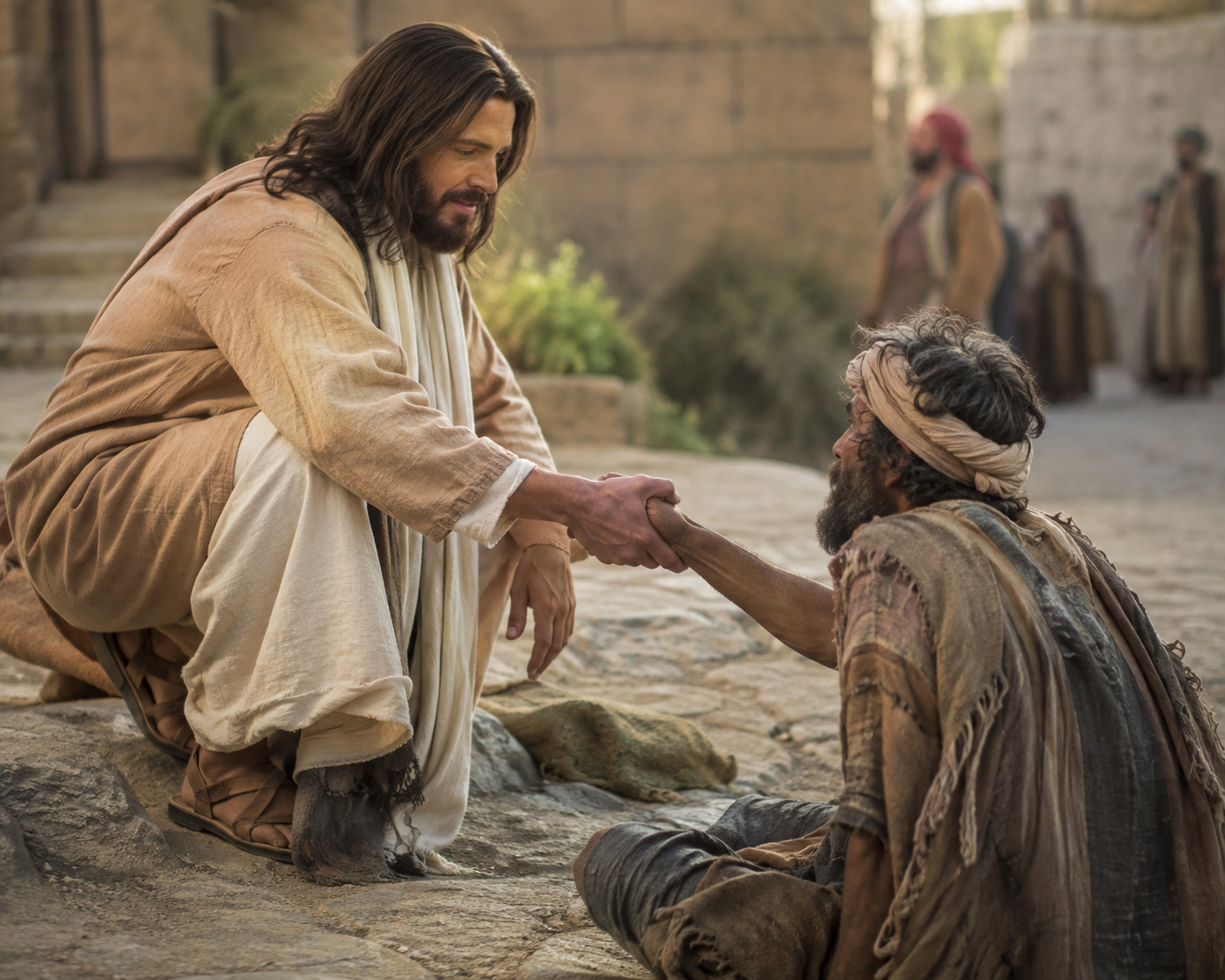
Preparing Our Hearts for Reconciliation
Examination of Conscience
Recognizing Where We Need God's Mercy
Before celebrating the Sacrament of Reconciliation, we prayerfully examine our conscience in the light of God's Word and the teachings of the Church. We ask the Holy Spirit to help us recognize where we have sinned in our thoughts, words, actions, and omissions.
Contrition
Sorrow for Our Sins
Recognizing our sins leads us to contrition which is sincere sorrow for having offended God and a desire to turn away from sin. True contrition includes the intention, with God's grace, to change our lives and avoid sin in the future.
Confession
Bringing Our Sins to Christ
We honestly confess our sins to the priest, trusting not in our own goodness but in God's mercy. We do not need perfect words, only honesty, humility, and a sincere desire for forgiveness.
Absolution
Receiving God's Forgiveness
The priest speaks the words of absolution in the name of Christ and His Church. Through this sacrament, our sins are forgiven, our relationship with God is restored, and we receive grace and strength to begin again.
Penance
Responding to God's Mercy
The priest gives us a penance which is often a prayer, an act of charity, or another spiritual action. Penance does not earn God's forgiveness; rather, it is our response to the mercy we have received and helps repair the harm caused by sin.
HAVEN'T BEEN TO CONFESSION IN A WHILE?
How to Go to Confession
1 — PREPARE
Spend some quiet time in prayer and make an examination of conscience. Ask the Holy Spirit to help you recognize your sins honestly and trust in God's mercy.
4 — PRAY & RECEIVE ABSOLUTION
Express Your Sorrow and Receive God's Forgiveness
The priest will invite you to express your contrition through a Prayer of the Penitent. You may use a familiar Act of Contrition or another prayer expressing your sorrow and desire to turn away from sin.
The priest then prays the words of absolution, through which Christ forgives your sins and grants you pardon and peace.
2 — Enter and Be Welcomed
The priest will welcome you, and together you begin with the Sign of the Cross. You may tell the priest how long it has been since your last Confession.
Don't remember what to do? Simply tell the priest. He will guide you.
5 — GO IN PEACE
Give Thanks and Complete Your Penance
After absolution, the priest concludes the sacrament by praising God's mercy and sending you forth in peace.
Complete your penance as soon as reasonably possible, thank God for His forgiveness, and ask for the grace to continue growing in holiness.
3 — Confess Your Sins
Confess your sins honestly and simply. The priest may offer counsel to help you grow in your relationship with God and will give you a penance to complete.
You don't need perfect words. Come with honesty, sorrow for your sins, and trust in God's mercy.
Need a little help?
Download a simple guide you can bring with you to Confession.
QUESTIONS ABOUT CONFESSION
Frequently Asked Questions
Have questions or feel nervous about going to Confession? You're not alone. Here are answers to some common questions about celebrating the Sacrament of Reconciliation.
-
DescriptionYou are always welcome to return. There is no need to be embarrassed or worried about remembering every step. Simply tell the priest that it has been a long time since your last Confession, and he will gladly guide you through the sacrament.
Take some time beforehand to prayerfully examine your conscience, but don't let fear of forgetting something keep you away. God's mercy is greater than our sins, and He is always ready to welcome us home. text goes here
-
You should confess all mortal sins that you are aware of after a sincere examination of conscience. Mortal sins should be confessed by kind and, as best you can remember, how many times they were committed.
You are not required to confess every venial sin, although the Church strongly encourages regularly confessing them because the sacrament helps us grow in holiness and resist sin.
If you genuinely forget a mortal sin, your Confession is still valid as long as you did not intentionally withhold it. If you remember it later, simply mention it at your next Confession.
Most importantly, never deliberately hide a mortal sin because of fear or embarrassment. Confession is where we bring our sins into the mercy of Christ so that He can forgive and heal us.
-
No. The seal of Confession is absolute. A priest may never reveal anything you confess in the Sacrament of Reconciliation, for any reason or to anyone.
He also cannot use information learned in Confession in a way that would betray you or cause you harm. This obligation continues permanently.
You can approach Confession with complete confidence that what you confess remains confidential.
-
Feeling embarrassed is normal, but don't let embarrassment keep you from God's mercy. The priest is there to help you encounter Christ's forgiveness, not to judge or shame you.
Be honest and simply confess the sin as clearly as you can. You do not need to provide unnecessary details unless the priest asks for clarification.
Remember that the priest is bound by the absolute seal of Confession and can never reveal what you confess. No sin is greater than God's mercy.
-
Yes. You are welcome to bring an examination of conscience, prayer guide, or brief notes to help you remember what you want to confess. These can be especially helpful if it has been a long time since your last Confession or if you are nervous.
Your notes are simply a personal aid—you do not need to give them to the priest. After Confession, dispose of any notes containing your sins privately and securely.
Most importantly, don't worry about saying everything perfectly. Come with honesty, contrition, and trust in God's mercy.
-
Ordinarily, the Sacrament of Reconciliation is celebrated by baptized Catholics. Because Confession is a sacrament of reconciliation not only with God but also with the Catholic Church, the Church normally reserves sacramental absolution for Catholics.
There are limited circumstances in which other baptized Christians may receive the sacrament under Church law. If you are not Catholic but would like to speak with a priest about your sins, God's mercy, or becoming Catholic, you are always welcome to speak with a priest. He can listen, pray with you, and help you determine the appropriate next step.
-
Yes. You are always welcome to speak with a priest and come to Confession. The priest will listen, help you understand your situation in light of the Church's teaching, and guide you toward reconciliation with God.
For sacramental absolution, however, there must be genuine contrition and a sincere intention to turn away from sin. If you are living together in a sexual relationship outside of a valid marriage, the priest may discuss with you what steps are needed to address the situation and help you move forward faithfully.
Don't let your situation keep you away from the Church. Come, speak with the priest, and allow him to help you take the next step toward Christ.
-
A priest may sometimes be unable to hear your Confession at a particular time, for example because he is preparing for Mass, has another pastoral obligation, or there is not enough time to celebrate the sacrament properly. In that case, you can ask when he will next be available.
-
It depends on your age and whether you have been baptized. For baptized Catholics who have reached the age of reason, the Church normally requires First Reconciliation before receiving First Holy Communion for the first time.
Children preparing for First Communion at St. Rose are therefore also prepared for their First Reconciliation as part of their sacramental formation.
RECONCILIATION AT ST. ROSE
Come and Experience God's Mercy
The Sacrament of Reconciliation is available each week at St. Rose of Lima. No matter how long it has been since your last Confession, you are always welcome.
Tuesday & Thursday
After the morning Mass
Saturday
3:00 PM – 3:50 PM